
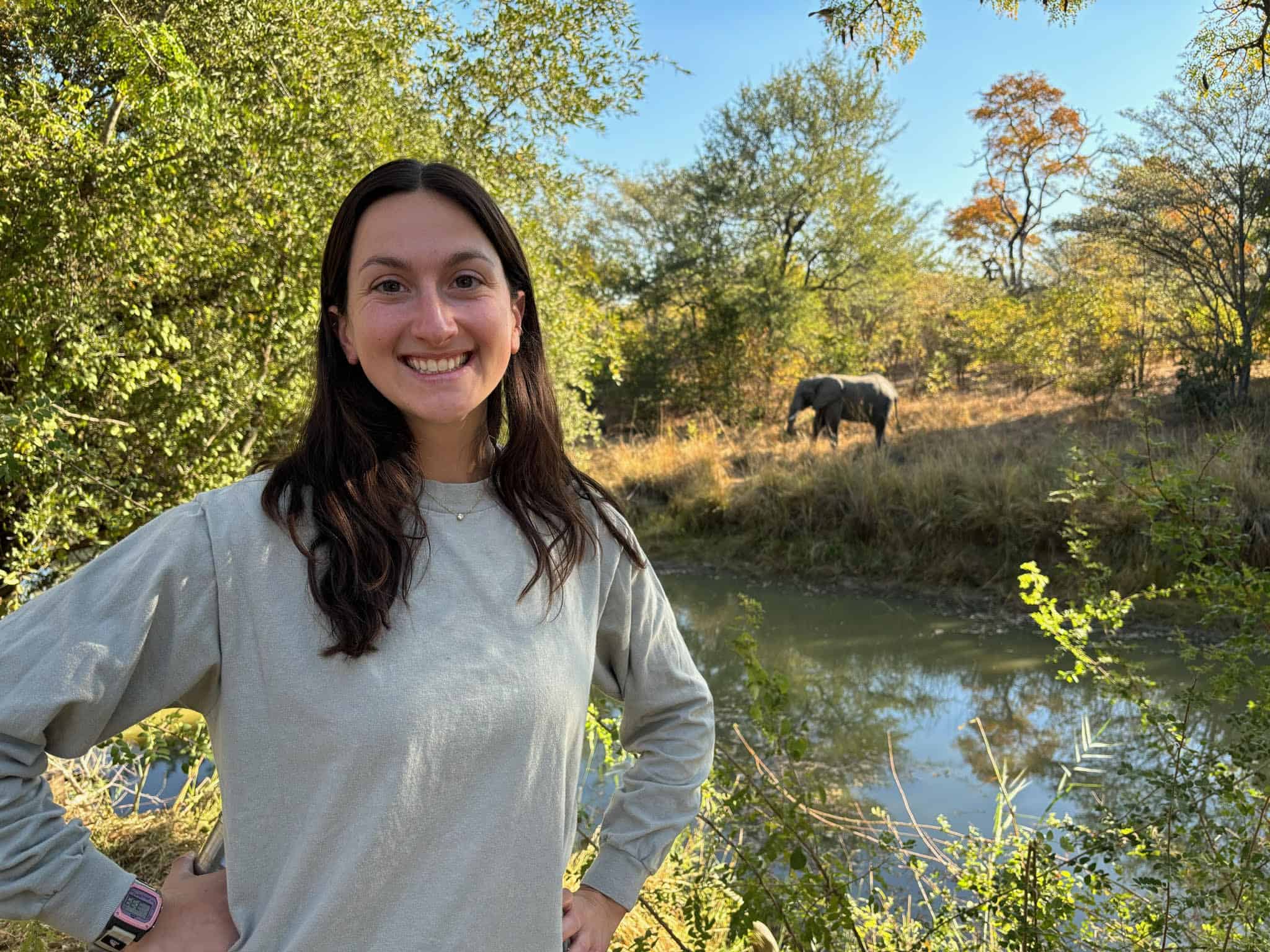

Emily Siegel
What did you study? We’d love to learn about your academic path.After graduating from UNC Chapel Hill, I spent a season at Craters of the Moon National Monument & Preserve conducting breeding bird surveys for a long-term monitoring project. Noticing declines in several species, I realized that I wanted to understand more than just


Road to Recovery In-person Workshop
R2R will host an in-person workshop at the National Conservation Training Center (NCTC) in Shepherdstown, West Virginia, from January 19 to 22, 2027. This workshop is a follow-on to R2R’s first in-person NCTC workshop in January 2024 and will build on the collaboration and momentum established across partners to advance shared work on Tipping Point
R2R Core Team Member Featured on Sounds Wild: The North American Bird Crisis
Jeff Walters, a member of the R2R Core Team, was recently featured on Episode 7 of the Sounds Wild podcast from the Center for Biological Diversity, where he discussed the ongoing bird conservation crisis in North America, Tipping Point Species, and pathways for recovery. To listen to the episode, visit https://soundswild.org
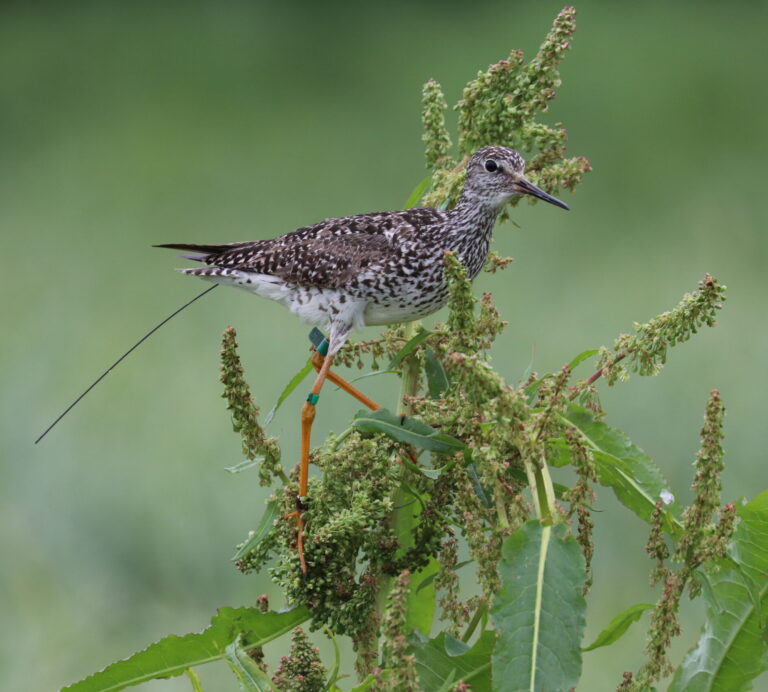
January Webinar: Lesser Yellowlegs
Conservation of a long-distance migratory shorebird: the Lesser Yellowlegs Our January webinar will be focused on the conservation of a long distance migratory shorebird, the Lesser Yellowlegs. This session will highlight how coordinated, cross regional conservation actions can accelerate recovery for species that depend on connected landscapes across the Americas. The webinar will bring together
R2R Announces New Funding Opportunity
R2R is excited to announce that we are now inviting responses from existing or emerging multi-institutional Working Groups interested in a grant to accelerate recovery of a Tipping Point Species. This Request for Interest (RFI) precedes an invitational Request for Proposal (RFP) process. Responses will help R2R gauge readiness, refine funding priorities, and tailor technical
R2R Position Opening
Senior Species Recovery Specialist We currently have an open position at Road to Recovery for a seasoned biologist, ecologist, environmental scientist, or natural resource manager to serve as the principal connection between R2R and Species Recovery Teams. The Senior Species Recovery Specialist will share, facilitate, and promote R2R’s framework to accelerate recovery for Tipping Point
Funding Forum: RFI Information Session
Register for the RFI Information Session To support teams preparing their responses to R2R’s Request for Interest in a grant to advance recovery of Tipping Point Species, R2R is hosting a virtual RFI Informational Forum on Wednesday, January 7, at 4:00 PM EST. During this forum, we will explain the available tiers of support, species
Road to Recovery Welcomes New Leadership and Staff
R2R is pleased to welcome several new additions to the team. Amy Gambrill joined Road to Recovery as our Executive Director in September 2025. Amy brings more than 25 years of experience in conservation, water, and climate change implementation along with senior leadership in the international environment sector to guide the initiative. “I am excited
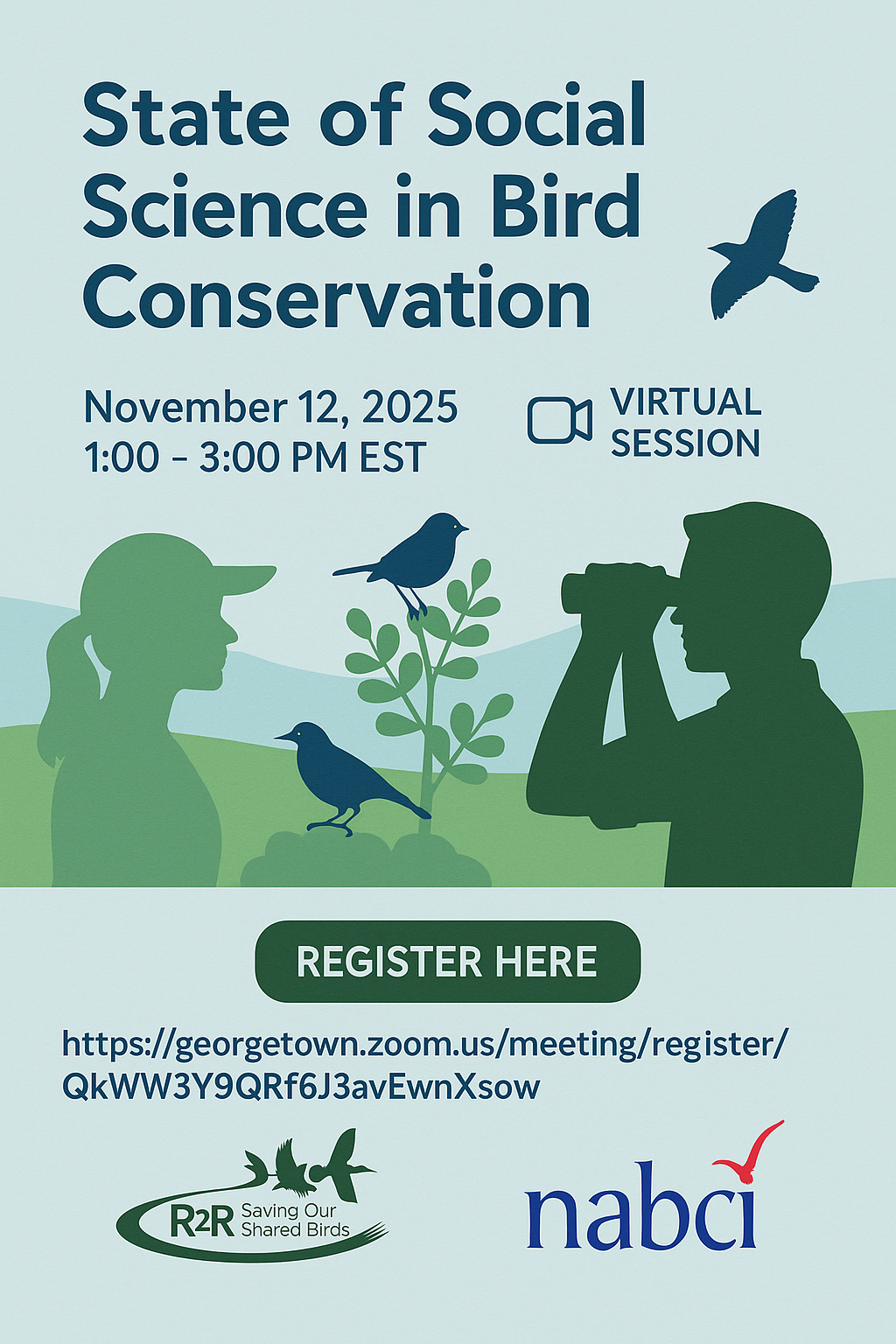
State of Social Science in Bird Conservation
Wednesday, November 12, 2025 1:00 – 3:00 PM EST Virtual Event Join Road to Recovery and the NABCI Human Dimensions Subcommittee for an engagement session exploring the role of social science in advancing bird conservation. Experts will discuss current research, practical applications, and future directions for integrating human dimensions into conservation efforts. Collectively, we have