Where do you work and what is your role?
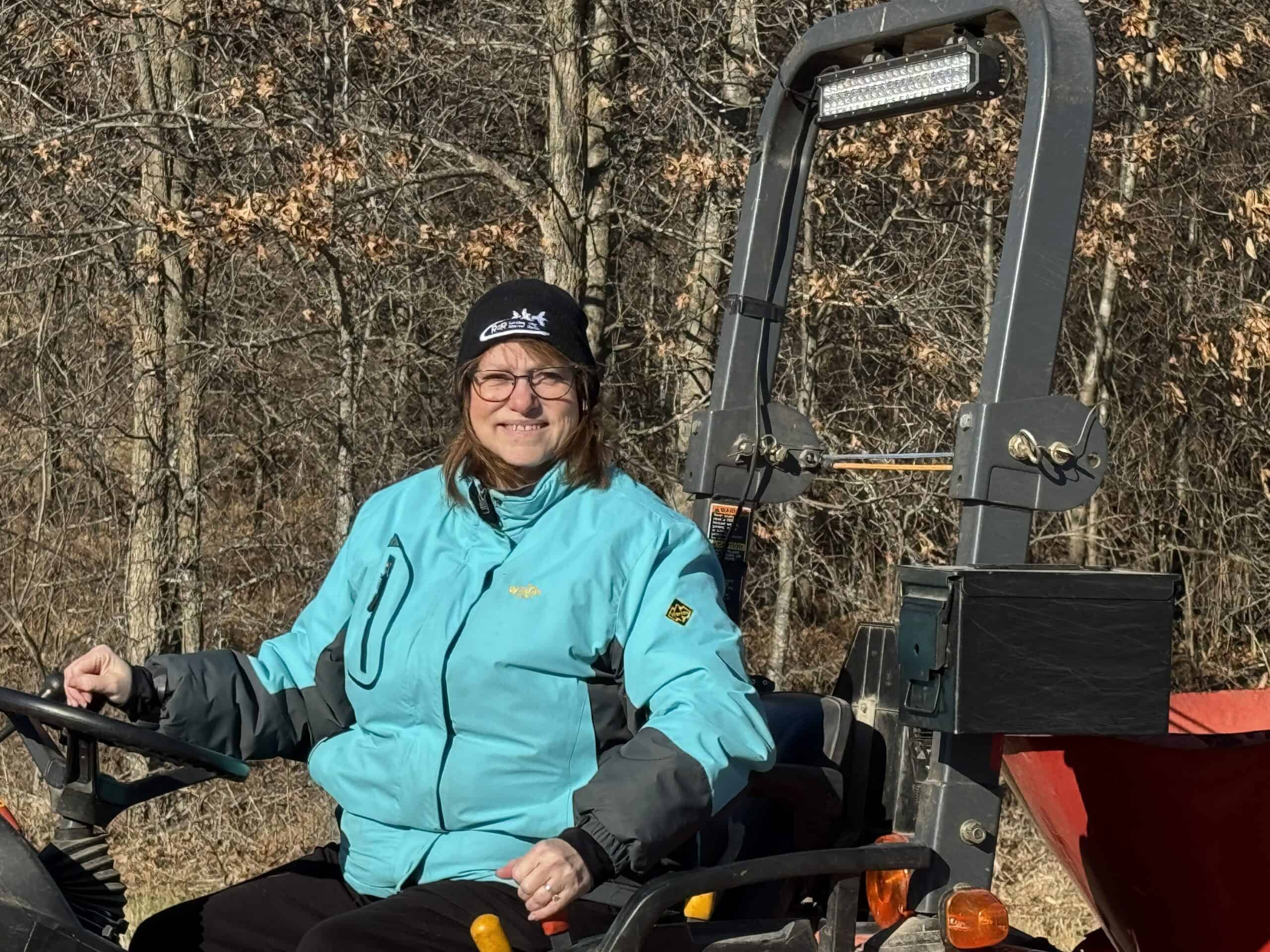
I am retired from the U.S. Fish and Wildlife Service after a rewarding 34-year career and have been working for the University of Idaho part-time as the Lesser Yellowlegs International Working Group Coordinator since 2022.
Tell us something interesting you’ve learned about the species you work with.
Once both Lesser Yellowlegs parents finish raising their young on the boreal grounds of North America, they all begin their southbound journey as far south as the Pampas of Argentina. Juveniles are only a few months old when they begin an 8,000 mile trek to a place they have never been. Talk about your long distant migrant!
What did you study? We’d love to learn about your academic path.
That was so long ago it’s probably best to talk about my career path. I’m a graduate of the University of Missouri – Columbia with a bachelor’s degree in Fisheries and Wildlife. I worked on my Masters degree with an emphasis on waterfowl and wetland management. I began working for the U.S. Fish and Wildlife Service (USFWS) in 1987, in aquatic contaminant research mainly investigating the effects of heavy metals on aquatic species including anadromous and freshwater fish and aquatic and benthic macroinvertebrates.
My interest in the effects of pollutants on aquatic systems intensified, and I became interested in finding ways to improve water quality for fish and wildlife. I joined the Ecological Services program with the USFWS in 1992 and worked on threatened and endangered species issues as well as the Conservation Title of the Farm Bill which soon led to becoming the State Private Lands Coordinator and program supervisor of the Partners for Fish and Wildlife Program/Missouri Private Lands Office. I had a fantastic, talented, and highly dedicated staff who worked to implement projects across the state for migratory birds and declining species while balancing both social and biological needs on private lands. The Partners for Fish and Wildlife program is the lead program for USFWS that pioneered the idea that working with landowners was a key strategy to improve wetland and grassland habitats for waterfowl, shorebirds, and other migratory bird species. From the genesis of the program to now, USFWS builds trust, meets landowner needs, and works with partners to restore and enhance wildlife habitat on private lands with people who voluntarily wish to do so. It was that voluntary and landowner excitement that energized me to find ways to build multi-organizational conservation partnerships in order to expand opportunities. We had a tremendous network of dedicated conservation partners committed to improving habitats across the state and we achieved coordinated conservation success on a landscape scale.
How did you become interested in bird conservation?
My interest in birds began when I was very young. I loved wildlife and birds were the closest thing I could see every day growing up in the Midwest. Later, in college, working with Dr. Bill Elder, helped frame my interest while I assisted him to revitalize the study skins room at the University of Missouri. Having one-on-one, hands-on experience with him and the myriad of birds in the collection helped develop my interest. Then, working with Dr. Mark Ryan and later Dr. Leigh Fredrickson to learn about habitats, as well as bird behaviors in shorebirds and waterfowl, I was naturally hooked and have been ever since. It is not lost on me that the building blocks of good bird conservation start with high quality habitat starting with soil and water; Dr. Jack Jones and Dr. Charlie Rabini helped me learn and understand these crucial ecological underpinnings that support bird conservation.
What gives you hope for the future of bird conservation?
Rosenberg et al. (2019) and the 3-billion birds lost paper was an alarm that resulted in a significant call to action across both the science and conservation delivery communities that so far isn’t waning. Birds evoke a commitment to finding ways to help, whether that is learning more about biology, conservation challenges, or various social and cultural connections to birds. Birds can bring people together and seeing young professionals appreciate the need to focus on bird conservation, not just where they live but on the full annual bird conservation cycle and the habitats utilized during that continuum, give me hope for the future. In my career I have seen two things happen with bird conservation that I never thought would become a reality: 1) seeing Bald Eagles perched on a tree outside my window in central Missouri in both winter and summer, and 2) flocks of wintering Trumpeter Swans flying over the house trumpeting along as they go. Conservation action improved those populations and current conservation efforts underway for tipping point species can result in the same outcome with collaborative conservation partnerships.
Is there someone whose work has inspired you? Why?
There are two people who have inspired me throughout my career. Aldo Leopold, author of A Sand County Almanac and the father of wildlife management, because he combined both a philosophical and ethical approach to conservation and explained how we are part of the ecological system that we all need to “love and respect” instead of treating it as a “commodity.” He believed that “conservation is a state of harmony between people and the land.” Rachel Carson, author of Silent Spring, because of her bravery in bringing to the forefront her scientific knowledge in a common-sense way to explain how pesticides can have negative effects on the environment, ultimately leading to DDT being banned. I admire her courage to advocate for fish and wildlife resources expressing the importance of our interconnectedness to our natural world. She did this while facing the pushback of chemical companies but stood firm as an excellent scientific communicator that helped pass some of the largest environmental protection laws in our country today.
What is one lesson or message you would like to share with others in the R2R network?
Remember the cultural and societal history of places where you work and find ways to connect with people through those avenues on a landscape scale. Pair that with an understanding of policies and laws and how they intertwine with landscape decisions and land use changes over time. The journey of improving bird conservation starts with people.
Aldo Leopold said, “There are some who can live without wild things, and some who cannot.” R2R can show others why living without birds is not an option for our future. Partner with a diverse array of people. Build strong partnerships through your working group, nurture those relationships, and find common ground to find solutions that bend the population curve for your bird into positive territory.